From roti-making to riding cycles — everyday life comes with everyday injuries. Here's how to handle them the right way, every time. Yaad hai wo din jab mummy ke haath par roti sey daag pad gaya tha, aur unka pehla response tha — "ghee lagao"? Ya jab aapke bache ko cycle chalate hue chot lagi, …

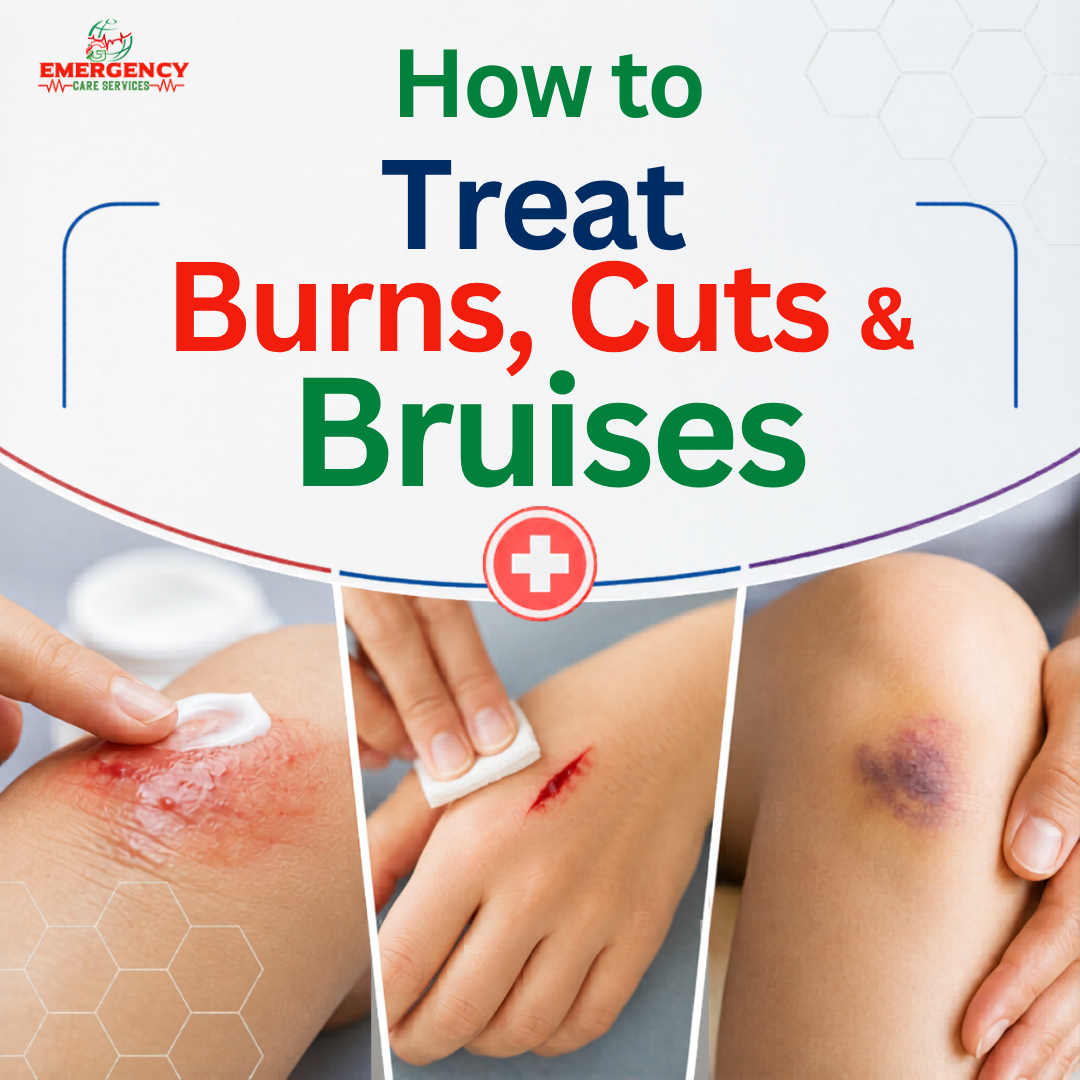
From roti-making to riding cycles — everyday life comes with everyday injuries. Here’s how to handle them the right way, every time.
Yaad hai wo din jab mummy ke haath par roti sey daag pad gaya tha, aur unka pehla response tha — “ghee lagao”? Ya jab aapke bache ko cycle chalate hue chot lagi, aur dadaji ne turant haldi wala dudh bana diya? Hamari niyat sahi hoti hai — lekin kaafi baar, ghar mein ki gayi ye “treatments” actually chot ko aur badha deti hain. It’s time to replace old habits with the right knowledge.
Burns, cuts, and bruises are among the most common household injuries in India — and they happen to everyone, from toddlers to grandparents. A pressure cooker that hisses unexpectedly, a kitchen knife that slips, a child who tumbles off a bicycle in the gully — none of these are rare events. They are Tuesday.
The good news? Properly handled, most of these injuries are manageable at home. The not-so-good news? Many of us are still relying on home remedies that are outdated, ineffective, or downright harmful. This guide breaks down — section by section — exactly what to do (and what not to do) when these three common injuries happen in your home.
Burns — The Most Mismanaged Household Injury
Burns are extremely common in Indian kitchens — hot oil splatter, pressure cooker steam, a hot tawa, utensils left on the flame. According to the World Health Organization, India accounts for over 7 lakh severe burn injuries every year, and a large proportion are domestic accidents that happen in the kitchen or around the home. Most first-degree and minor second-degree burns can be managed safely at home — if you know what you’re doing.
Understanding Burn Severity
Before treating, it helps to know what you’re dealing with:
First Aid for Burns
Thermal burns, steam burns, oil splatter — follow these steps immediately
Know your burn: 1st degree (redness, outer skin only) → manageable at home. 2nd degree (blisters) → home care for small areas only. 3rd degree (deep, white/charred skin, no pain) → hospital immediately.
- Cool the burn — immediately. Hold the burned area under cool (not cold, not ice) running water for a minimum of 20 minutes. This is the single most important step. It stops the burning process, reduces pain, and limits tissue damage. Don’t skip this step even if it seems like “just a small burn.”
- Remove jewellery or tight items near the burn site — rings, bangles, watches, tight clothing — before swelling begins. Once swelling sets in, removal becomes painful and difficult.
- Cover loosely with a clean, non-fluffy bandage, cling film, or even a clean plastic bag. The goal is to protect the burn from infection while allowing some airflow. Do not wrap tightly.
- Pain relief: Over-the-counter paracetamol or ibuprofen can help manage pain. Avoid aspirin for children.
- Do not burst blisters. They are the body’s natural protective barrier. Bursting them opens the door to infection.
🚫 Common Indian Home Remedies to STOP Using for Burns
❌ Myth:- Applying ghee, butter, or coconut oil on burns
Fats trap heat in the burn, worsening tissue damage and creating an ideal environment for bacterial infection. Running water is all you need.
❌ Myth:- Applying toothpaste on a burn
Toothpaste does not cool the burn — it feels cool momentarily but its chemicals can irritate the damaged skin and cause further injury.
❌ Myth:- Using ice or ice-cold water
Ice can cause frostbite on already damaged skin and restrict blood flow, making the injury worse. Always use cool running water — not ice.
❌ Myth:- Applying haldi (turmeric) paste immediately
While turmeric has long-term antiseptic properties, applying it immediately on a fresh burn is abrasive and interferes with proper wound assessment.
🚨 Seek Emergency Medical Help for Burns When:
- The burn is on the face, hands, feet, genitals, or joints
- The burn is larger than the size of the person’s palm
- There is charred, white, or leathery skin (3rd degree burn)
- The victim is a child under 5 or an elderly person
- The burn was caused by chemicals or electricity
- There are signs of infection (increased pain, redness spreading, pus, fever)
Cuts and Wounds — Stop the Bleeding First
Cuts (also called lacerations) are among the most frequent household injuries — kitchen knives, broken glass, sharp edges on furniture, gardening tools, and in children, falls on rough surfaces. Most small cuts can be treated at home effectively. The key is to control bleeding, clean the wound properly, and protect it from infection.
First Aid for Cuts & Minor Wounds
Lacerations, abrasions, puncture wounds — step-by-step response
- Wash your hands first. Before touching any wound, wash your hands thoroughly with soap and water or use a hand sanitiser. Introducing bacteria from your hands into a cut is a leading cause of wound infections.
- Apply gentle pressure to stop bleeding. Use a clean cloth, sterile gauze, or even a clean handkerchief. Press firmly and continuously for 5–10 minutes without lifting the cloth to peek. For a cut on a limb, elevate it above heart level while applying pressure.
- Rinse the wound thoroughly under clean running water for at least 5 minutes once bleeding slows. This removes dirt, debris, and bacteria — the most important step in preventing infection. You can also use mild saline solution.
- Apply a thin layer of antiseptic (like Betadine/povidone-iodine or chlorhexidine) around — not deep inside — the wound. This helps prevent surface infection without damaging new tissue growth inside the wound.
- Cover with a sterile bandage or adhesive plaster. Change the dressing daily or when it becomes wet or dirty. Keep the wound covered until it has fully closed over.
- Check tetanus vaccination status. If the wound is deep, caused by a rusty or dirty object, or the person hasn’t had a tetanus shot in the last 5–10 years — visit a doctor. Tetanus (called dhanustambh in Hindi) is a serious and preventable condition.
“The biggest mistake people make with cuts? Applying Dettol or antiseptic directly into the wound cavity. Concentrated antiseptics damage new tissue and slow healing. Rinse with clean water first — that’s the real healer.”
Go to a Hospital for Cuts When:
- Bleeding does not stop after 10–15 minutes of constant pressure
- The cut is deep, gaping, or has jagged edges (may need stitches)
- The cut is on the face, neck, hands (over joints), or genitals
- You can see fat, muscle, or bone inside the wound
- The wound was caused by an animal bite — seek medical attention immediately
- Signs of infection appear within 24–48 hours: redness spreading, pus, fever, increased warmth
Bruises — More Than Just a Discolouration
Bruises (haematomas or chot ka nishaan) occur when small blood vessels beneath the skin break due to a blow or impact, causing blood to pool under the surface. They are almost always harmless but can be painful and take time to resolve. Children, elderly people, and those on blood-thinning medications bruise more easily.
First Aid for Bruises & Blunt Trauma
Falls, bumps, sports injuries — the R.I.C.E. method and more
The gold standard for bruise and soft-tissue injury management is the R.I.C.E. method:
- Rest — Stop activity immediately. Continued use of an injured area delays healing and worsens internal bleeding into the tissue.
- Ice — Apply a cold pack or ice wrapped in a cloth to the bruised area for 15–20 minutes at a time, every 2–3 hours for the first 48 hours. Cold constricts blood vessels and reduces swelling and discolouration. Never apply ice directly to bare skin.
- Compression — Gently wrap the area with a crepe bandage to limit swelling. Not too tight — you should still be able to slip a finger under the bandage comfortably.
- Elevation — If the bruise is on a limb, keep it raised above heart level as much as possible in the first 24–48 hours to reduce fluid pooling and swelling.
After 48 hours, you can switch from ice to a warm compress — heat now helps improve blood circulation and speed up the reabsorption of the bruise.
A Bruise Needs Medical Attention When:
- The bruise is extremely painful, rapidly enlarging, or very swollen (possible internal bleeding or fracture)
- It follows a head injury and the person shows confusion, vomiting, or loss of consciousness
- There are bruises on the abdomen or back after a fall — these can signal internal organ injury
- Bruises appear without any known cause in children or elderly — this needs investigation
- The person is on blood-thinning medication (warfarin, aspirin) — bruises can be more serious
Build Your Home First Aid Kit — Right Now
Every Indian household should have a basic first aid kit. Ek baar bana lo, aur phir bus maintain karte raho. Here’s what it must contain to handle burns, cuts, and bruises effectively:
🩹 Adhesive bandages (assorted sizes)
🧻 Sterile gauze pads & rolls
🩺 Crepe bandage (for compression)
🧴 Betadine / Chlorhexidine antiseptic
✂️ Medical scissors & tweezers
🧤 Disposable gloves (2–3 pairs)
💊 Paracetamol & ibuprofen tablets
🧊 Instant cold pack
🔦 Small torch / penlight
📋 Emergency contact list & 108
Keep your kit in a fixed, accessible location — ideally the kitchen or main bathroom — and make sure every adult in the house knows where it is. Check and restock every 6 months.
🎓 Knowledge Is the Most Powerful First Aid Tool
Knowing what to do in the first few minutes of any injury — before a doctor arrives, before you reach a hospital — is one of the most valuable skills a person can have. And yet, most of us were never formally taught. We learned from elders, from habit, from what “seemed right.” Some of that wisdom is gold. Some of it, as we’ve seen, can cause more harm than good.
Structured First Aid and CPR Training takes this a step further — covering not just burns, cuts, and bruises, but also how to respond to choking, fractures, heart attacks, and unconsciousness. The training is practical, simulation-based, and designed for non-medical individuals. If you are a parent, teacher, office-goer, or anyone who interacts with people regularly, this training is for you.
G Emergency Care Services — Rajasthan’s only AHA-certified training centre — also offers Basic Life Support (BLS) training which gives you the complete toolkit to respond in genuine emergencies, including the ability to perform CPR correctly. In a country where emergency services can take time to arrive, a trained bystander is often the most critical factor between life and death.
“First aid knowledge doesn’t make you a doctor. It makes you the person who buys time — the most precious resource in any emergency.”
Ready to Become Your Family’s First Responder?
Join Rajasthan’s most trusted AHA-certified First Aid, CPR & BLS training. Practical, hands-on, and designed for everyday people — not just healthcare professionals.
First Aid CPR Training → Enquire Now
Quick Recap — What to Remember
🔥 Burns:- Cool water for 20 minutes — nothing else on fresh burns
No ghee, no toothpaste, no ice. Cool running water is the only correct first response. Cover loosely and seek help for serious burns.
🩹 Cuts:- Pressure → Clean → Cover → Check tetanus
Stop bleeding with pressure, rinse thoroughly, apply antiseptic around (not inside) the wound, and always check tetanus vaccination history.
💜 Bruises:- R.I.C.E. — Rest, Ice, Compression, Elevation
For the first 48 hours. Switch to warmth after that. Watch for warning signs like severe pain, rapid swelling, or any head injury complications.
Emergencies at home don’t wait for a convenient moment. They happen fast, unexpectedly, and usually when you’re the only one there. But with the right knowledge — and a stocked first aid kit — you can handle the most common injuries calmly and correctly, and potentially prevent a simple injury from becoming a serious one.
Apne ghar ko safe banao. Apni family ko trained karo. Aur agar aap really prepared rehna chahte hain — enrol in a certified First Aid course today.
First Aid at Home Burn Treatment Cut Wound Care Bruise First Aid Home Safety India Family Health Tips CPR Training Jaipur Emergency Response RICE Method First Aid Kit India
Stop Guessing. Start Healing.
Learn the right way to treat burns, cuts, and bruises at home before a minor injury turns into a bigger problem. Discover simple first-aid steps that help reduce pain, prevent infection, and support faster recovery.
Disclaimer: This article is for educational and general awareness purposes only. It is not a substitute for professional medical diagnosis or treatment. For any serious injury, always consult a qualified healthcare professional or call emergency services at 108.